

Mehta Institute forPost-Weight-Loss Reconstruction
Call: 888-NEW-BODY
Text: 609-924-0200
Mehta Institute forPost-Weight-Loss Reconstruction
Se habla español
Natural Looking Tummy Tucks, Body Lifts & Excess Skin Removal, Tailored to Your Body
1000+ Patient Visits Every Year — All Personally Seen by Dr. Mehta

Hundreds of 5 Star Reviews
I specialize in rebuilding the body after major weight loss - removing excess skin, restoring deeper structure, and optimizing healing so results can last.
Because I treat post-weight-loss bodies often, I recognize the patterns that matter before surgery begins — where skin may fail, where deeper support is needed, and where reconstruction needs to be stronger. That judgment helps me plan safer, more durable reconstruction for each patient.
Everyone is respected.
No automatic BMI cutoffs.
Insurance often covers panniculectomy (removal of apron-like abdominal skin).
Excess Skin Removal, Tummy Tuck, Body Lift, Arm, Back & Thigh Lift, Panniculectomy
I specialize in rebuilding the body after major weight loss - removing excess skin, restoring deeper structure, and optimizing healing so results can last.
Everyone is respected.
No automatic BMI cutoffs.
Insurance often covers panniculectomy - removal of apron-like abdominal skin.


A very focused practice:
A clinical philosophy shaped by repetition
I focus almost entirely on post-weight-loss body reconstruction—complex procedures involving excess skin, altered anatomy, and weakened structural support.
Recognizing Patterns in Reconstruction
When the same clinical challenges are encountered repeatedly, surgery becomes less about performing steps and more about recognizing patterns that others might miss:
Tissue Behavior: Understanding how skin and fascia behave months after a Tummy Tuck or Body Lift, not just on the operating table.
Structural Tension: Identifying where tension predictably fails over time, rather than just where it looks tight in the moment.
Core Integrity: Knowing when the abdominal wall needs structural reinforcement rather than simple skin removal.
Healing Biology: Assessing how prior weight loss, nutritional status, and GLP-1 medications affect long-term outcomes.
Why Volume Matters
Repetition doesn’t make the work routine; it sharpens the judgment required. In 2025, by performing 40 times more Buttock Reshaping, 3.5x more Tummy Tucks, 10x more Lower Body Lifts than the national average, (ASPS data comparison), I have learned to respect the unique rules of your body.
This focus is what allows a complex reconstruction to be meticulously planned—not improvised.
Whether you are finishing a 100lb transformation or seeking a modest refinement, I am here to offer an expert roadmap for the final phase of your journey.


Words from Patients Who’ve Been Here
" I have looked up & studied about 20 Surgeons and visited about 7 of them for a consultation, but I have to say hands down not one of them could come close to Dr. Mehta and his work! Dr. Mehta does the most phenomenal tummy tucks and liposuction in the tri-state !!! "
" I traveled from California and wouldn’t trust anyone else to do my surgery. I’m going back for a tummy tuck soon and have never trusted a doctor as much as I do Dr. Mehta. "
Why Thousands have trusted me for their Life Changing Transformations:
- One surgeon for your entire journey — no rotating doctors
-
All surgeries performed personally by me — not a system
-
Weight-loss surgery experience

Why Patients Trust Dr. Mehta for Life Changing Transformations
- Over 4,000 patients treated with precision and care
- High-volume experience in complex skin removals & plus-size transformations
- One surgeon for your entire journey — no rotating doctors
-
All surgeries performed personally by Dr. Mehta
-
Hundreds of 5-star reviews

Vishal Mehta MD
Why Thousands of Patients Have Trusted
Dr. Mehta for Life-Changing Transformations
24 Years of Experience
Transforming lives with proven expertise
Over 4,000 Patients Helped
Trusted for life-changing results
Unique Expertise
Bariatric Surgery, Skin Removal & Body Contouring Surgery
One Surgeon for your entire Transformation
Personalized care. There is no shuffling between doctors or clinics.
100's of Glowing 5-Star Reviews
Extensive Before and After Gallery
See our Patient Gallery with a keen eye for details
Vishal Mehta MD

Vishal Mehta MD
Vishal Mehta MD
"For over two decades, I’ve helped thousands of patients transform their lives and achieve their dreams. I’d be happy to personally discuss your options and explore the possibilities that await. Feel free to email me anytime."


Serving NJ for Over 2 Decades
A Practice Built Around Body Transformation
Excess skin removal after weight loss is not cosmetic surgery. It requires judgment, planning, and an understanding of how bodies heal over time. This is the focus of my practice.
One Surgeon. Complete Continuity of Care
From the first consultation through surgery and long-term follow-up, every step is personally handled by me. There are no rotating surgeons, no handoffs. Just consistency and accountability.
Experience That Informs Better Decisions
Decades of surgical weight-loss experience provide a foundation for treating complex skin cases safely and predictably — helping determine timing, staging, and the right operation for each patient.
Real Results, From Real Patients
I've spent my entire professional career in NJ and have operated on over 4500 patients from weight loss surgery, to tummy tucks, body lifts, liposculpting & fat transfers. Thousands of patients and hundreds of five-star reviews reflect trust throughout the process as well as final outcomes.
“Every patient deserves clarity, not pressure. I’ll give you my straightforward, honest opinion about your options. Whether you need weight loss, excess skin removal or body sculpting… I guide you through every phase myself — start to finish."
- Vishal Mehta MD
See which option is best for you...
"I have looked up & studied about 20 Surgeons and visited about 7 of them for a consultation, but I have to say hands down not one of them could come close to Dr. Mehta and his work! Dr. Mehta does the most phenomenal tummy tucks and liposuction in the tristate."
"I traveled from California and wouldn’t trust anyone else to do my surgery. I’m going back for a tummy tuck soon and have never trusted a doctor as much as I do Dr. Mehta."
Offices in Princeton & Old Bridge, NJ


Old Bridge Surgical Facility & Office
Modern Operating Rooms connected to the hospital, with an office for consultations, follow-ups, and routine visits.
The connected hospital adds a layer of safety and comfort not available at surgical centers.
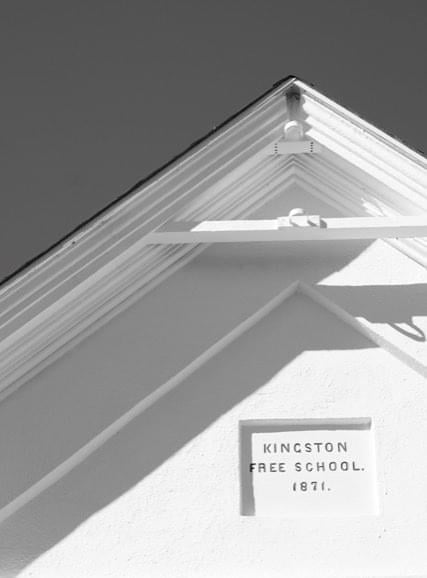
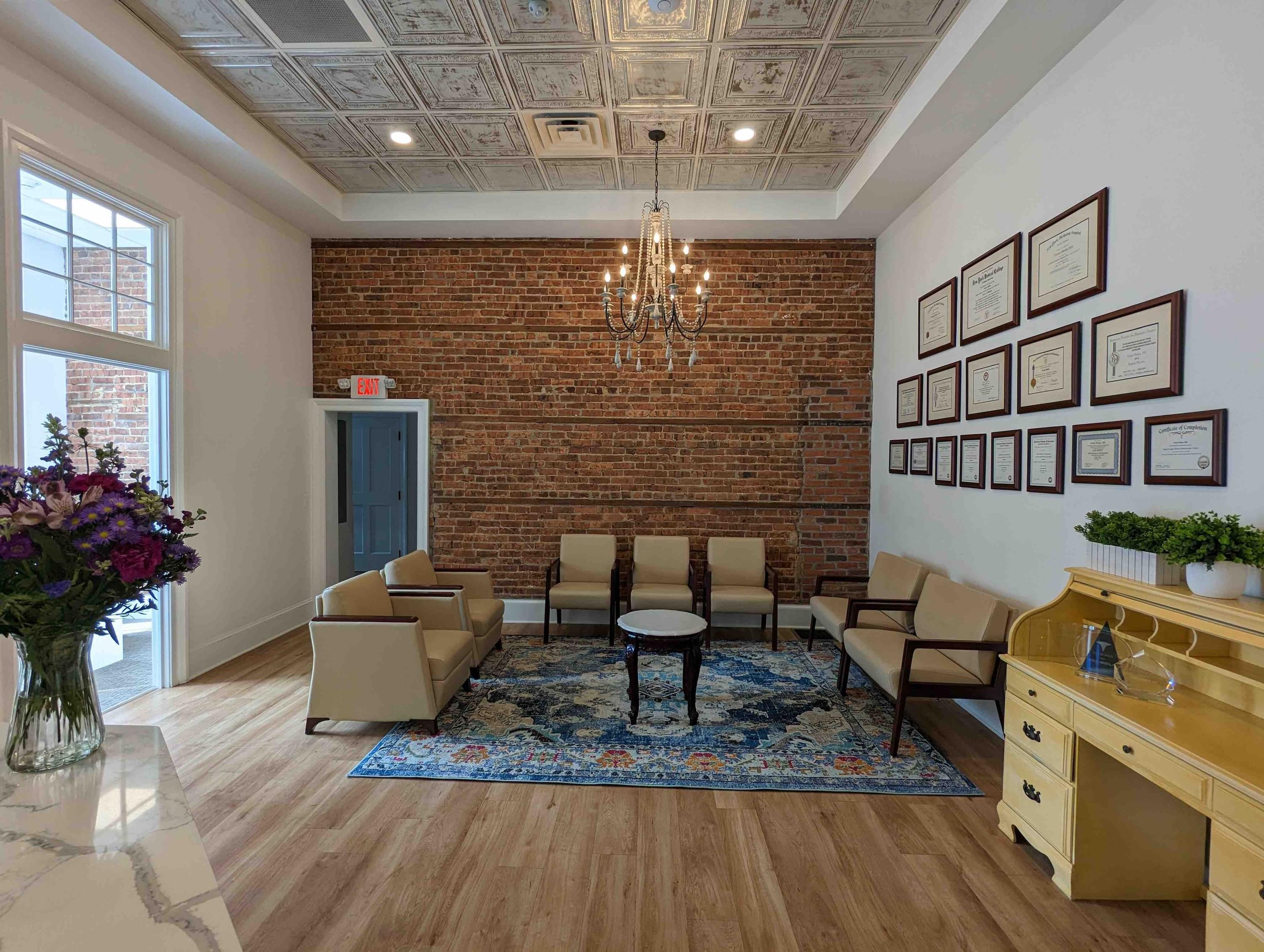
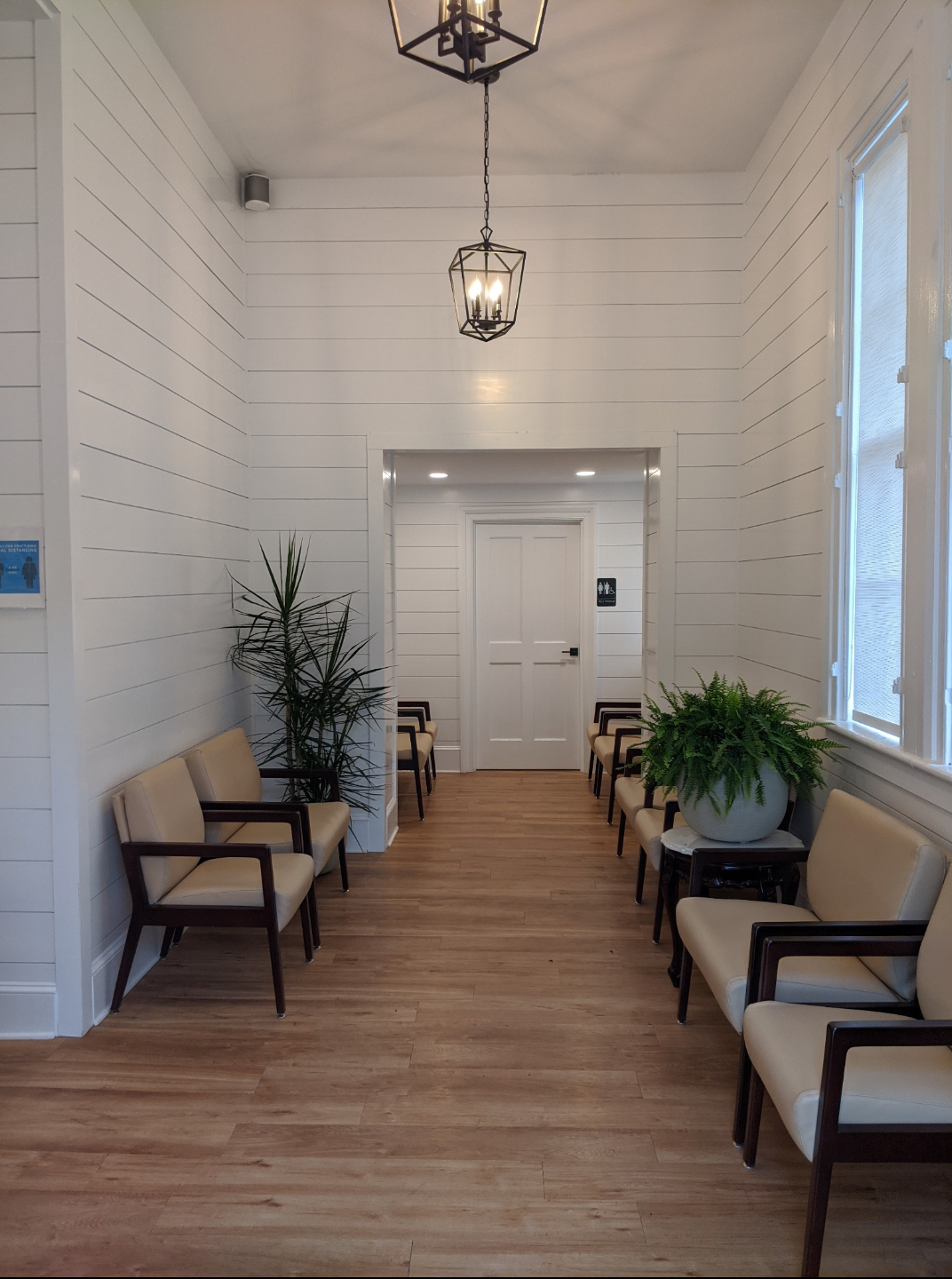
Princeton / Kingston Office
Our primary office combines historic character with modern comfort. It's used for consultations, follow-ups, and routine visits.
Offices in Princeton & Old Bridge, NJ
Old Bridge Surgical Facility
Modern surgical center connected to the hospital, with an attached office. The connected hospital adds a layer of safety and comfort not available at surgical centers.
Princeton / Kingston Office
Our primary office combines historic character with modern comfort.
Specialized Judgment for Complex Skin Removal
Every patient deserves clarity, not pressure.
Every patient deserves clarity, not pressure.
PRINCETON, NJ OFFICE
1 Academy Street, Princeton, NJ 08540
OLD BRIDGE, NJ OFFICE
2 Hospital Plaza, Suite 470, Old Bridge, NJ
Call/Text (609)924-0200
Call: 888-NEW-BODY
"I was made aware of Dr. Mehta’s program through an associate at work. I was shocked at the reaction that Dr. Mehta received from his patients during the seminar. He answered all of my questions straight to the point. My total experience with the program was fantastic!! Dr. Mehta has given me my life back! I am able to live and work like I did when I was young! I feel I was given a chance to start over and I owe it to Dr. Mehta. My surgery was flawless. I felt great after. Recovery was quick and now I am on my way to new goals. Thank you so much for the new LIFE!!"
GARY G. FRANKLIN PARK, NJ
"I suffered from diabetes, high cholesterol, high triglycerides, sleep apnea, lack of energy, swollen feet and grumpiness. Best of all I no longer use medicines & no longer suffer from any of the other medical issues. Even my grumpiness has gone away. My PCP was amazed and very impressed. I wish that there was a way to thank Dr. Mehta for what he has done. If I could do it all over again, I would in heart beat with Dr. Mehta."
- Miguel C. (Lost 76 lbs.)
PRINCETON, NJ OFFICE
1 Academy Street, Princeton, NJ 08540
OLD BRIDGE, NJ OFFICE
2 Hospital Plaza, Suite 470, Old Bridge, NJ